A backed-up main drain line in a commercial facility or multi-tenant building can halt operations within minutes. Kitchen grease, commercial paper waste, or structural pipe shifts can choke main sewer laterals and cause greywater to surface in low-lying floor drains. Taking rapid, organized control of the site keeps employees safe and prepares the system for efficient emergency clearing.
Isolating Fixtures and Securing the Area
The moment main line slow drainage or backflow appears, immediately shut off water supply valves to connected equipment such as commercial dishwashers and ice machines. Post clear hazard signage around affected restrooms or mechanical rooms to stop staff from sending additional wastewater down clogged lines. Containing the affected zone prevents secondary damage to floor finishes and simplifies environmental sanitization.
Diagnostic Evaluation and Hydro Jetting
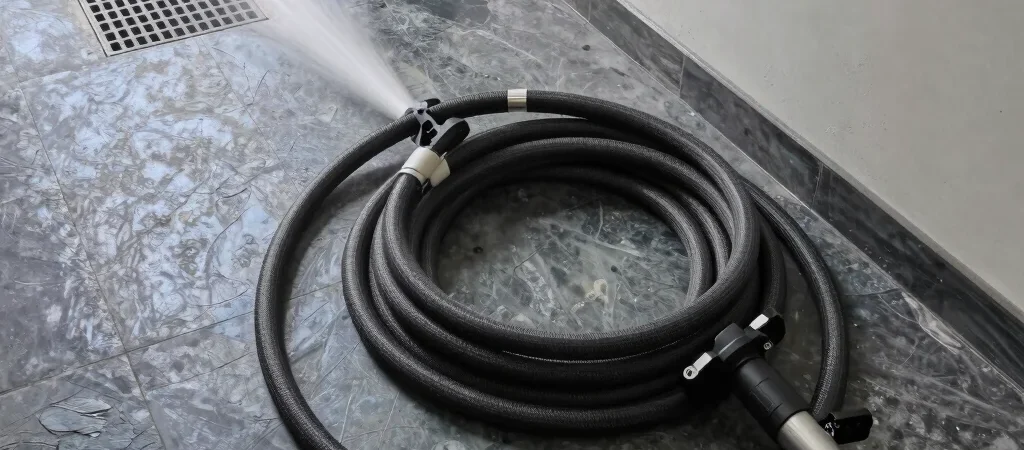
Standard mechanical drain snakes often poke temporary holes through heavy grease or sludge without clearing the full pipe diameter. Licensed commercial dispatch teams utilize high-pressure hydro jetting to blast away heavy fats, mineral scale, and root intrusions along sewer walls. Inline sewer camera inspections are performed alongside jetting to identify crushed or sagging pipe sections beneath parking lots or concrete slabs.
Establishing Preventive Maintenance Schedules
Preventing recurring main line emergencies requires scheduled maintenance tailored to your facility's daily wastewater volume. Commercial kitchens benefit from quarterly grease trap service and semi-annual hydro jetting, while office complexes require periodic root treatment and main line flushing. Establishing a methodical maintenance routine protects your property investments and eliminates unscheduled business disruptions.